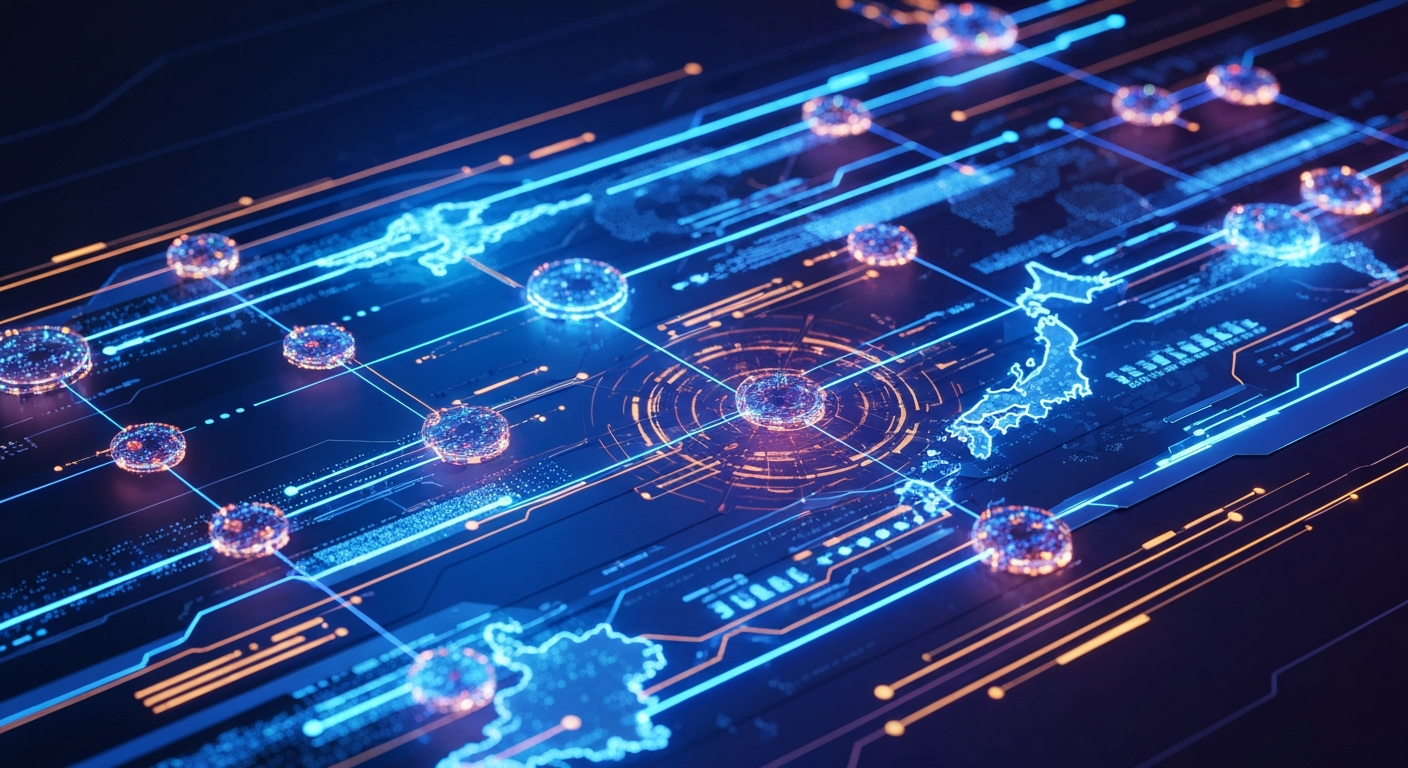
The tech world is buzzing after the recent announcement that Microsoft is pouring $10 billion into Japan’s AI and cybersecurity sector. This isn’t just a drop in the bucket; it’s a massive, multi-year commitment that signals a major shift in how global tech giants are looking at international infrastructure and local partnerships.
Why This Matters
For those of us tracking the AI arms race, this news serves as a massive wake-up call. We often focus on the flashy consumer-facing tools, like new LLM updates or image generators, but the real story is happening in the “pipes” of the internet—the data centers, the hardware, and the security protocols.
By focusing on Japan, Microsoft is securing a key foothold in one of the most stable and tech-literate markets in the world. This investment, spanning from 2026 to 2029, is designed to bolster AI infrastructure and deepen collaboration with the Japanese government on cyber defense. It’s a strategic move that goes beyond just profit; it’s about establishing the foundational layer of AI for an entire nation.
The Power of Local Partnerships
One of the most interesting aspects of this investment is that Microsoft isn’t going it alone. They are explicitly leaning on local expertise, specifically partnering with SoftBank and Sakura Internet. This is a brilliant strategy because it allows Microsoft to scale its cloud capacity without having to build every single piece of the puzzle from scratch.
By integrating the compute resources of these Japanese companies, Microsoft can fast-track the delivery of AI services. We’ve already seen the market react to this; for instance, Sakura Internet’s stock saw a significant jump following the news. It highlights a recurring theme in the AI industry: the “megacaps” like Microsoft provide the vision and the capital, but they rely heavily on specialized local providers to handle the heavy lifting.
Investing in Human Capital
Beyond the hardware and the cloud servers, Microsoft is committing to a massive upskilling initiative. The plan includes training 1 million engineers and developers in Japan by 2030. This is arguably just as important as the $10 billion in capital.
For an AI ecosystem to thrive, it needs a workforce that knows how to build, maintain, and secure these complex systems. By creating this talent pipeline, Microsoft is ensuring that there will be a local workforce ready to utilize the infrastructure they are building. This is a long-term play that suggests Microsoft is betting on Japan becoming a central hub for AI development in Asia.
Cybersecurity at the Forefront
We cannot talk about AI without talking about security. As AI models become more integrated into government and corporate workflows, the risk of cyber threats increases exponentially. A significant portion of this $10 billion investment is earmarked for cybersecurity work with the Japanese government.
This indicates that AI deployment is no longer just about productivity; it’s about national security. By embedding cybersecurity into the very foundation of their AI infrastructure, Microsoft is positioning itself as the trusted partner for governments that are worried about the risks associated with rapid AI adoption. This could set a precedent for how other countries approach their own AI integration.
The Ripple Effect Across the Market
When a company as large as Microsoft drops $10 billion into a specific region, the effects are felt throughout the entire supply chain. As noted by industry observers, the market is beginning to split into different lanes based on these large-scale investments.
- The Decision-Makers: These are the companies, like Microsoft, setting the strategy and providing the software layer.
- The Hardware Providers: Companies like SoftBank and Sakura Internet are critical here, supplying the GPUs and physical compute resources.
- The Talent Pool: The developers and engineers who will be trained to bridge the gap between hardware and software.
If you are an investor or a tech enthusiast, watching how these “lanes” interact is key. The money doesn’t just stop at the megacaps; it flows downstream into specialized hardware, localized services, and specialized labor markets.
Getting Started: What This Means for You
So, where does this leave the average AI tool enthusiast or developer? First, it suggests that the “AI Gold Rush” is shifting toward infrastructure stability. We are moving away from the phase where every week brings a “new AI toy” and into a phase where the focus is on robust, secure, and large-scale implementation.
If you are looking to grow your skills, keep an eye on the demand for cloud-native AI development and security-focused AI engineering. These are the areas where the big players like Microsoft are placing their bets. Additionally, keep an eye on the Japanese tech sector; the influx of capital and training programs will likely produce a new wave of innovative tools and startups that we should all be paying attention to.
Disclaimer: This article synthesizes information provided by various sources, including Reddit discussions (r/artificial, r/technology, r/FuckMicrosoft, r/business, r/TheRaceTo10Million) and Hacker News. All information regarding the $10 billion investment, the partnerships with SoftBank and Sakura Internet, and the training goals is based on these public reports.
Final Thoughts
Microsoft’s $10 billion commitment to Japan is a clear indicator that the AI era is entering a new phase of maturity. It’s no longer just about the hype; it’s about building the physical and human infrastructure necessary to sustain a global AI economy. By investing in hardware, security, and human capital, Microsoft is betting that the future of AI will be built on strong, collaborative foundations. For the rest of us, it’s a signal to focus on the long-term trends—infrastructure, security, and specialized talent—that will define the next decade of technology.
This article was inspired by content from Reddit r/artificial. Visit the original source for more details.